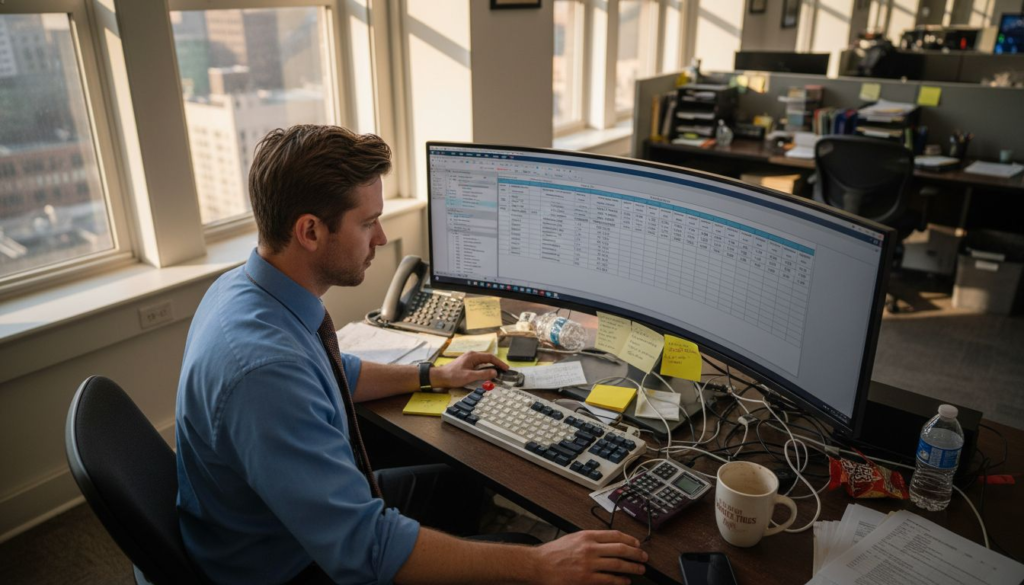

Getting funded is exciting, but many retail traders stumble when it comes to managing their prop trading payouts. Understanding how to request, allocate, and optimize your payout strategy can be the difference between sustained growth and quick burnout. This guide breaks down the entire payout handling process, from understanding firm structures to verifying your results and refining your approach. You’ll learn practical steps to maximize your funded trading opportunities while maintaining the discipline that got you funded in the first place.
Table of Contents
- Key takeaways
- Understanding prop trading payouts: what you need to know
- Preparing to handle your prop trading payouts effectively
- Executing and managing prop trading payouts for sustained success
- Verifying your payout handling and refining your trading approach
- Achieve funding success with DayProp’s expert resources
- FAQ
Key Takeaways
| Point | Details |
|---|---|
| Payout structure basics | Know how your firm splits profits, schedules, and eligibility so you can plan withdrawals and growth. |
| Eligibility requirements | Most firms require minimum profit targets and adherence to risk and activity rules before payout becomes available. |
| Tracking and preparation | Maintain profit milestone logs and a trading journal to verify payout readiness and resolve disputes. |
| Processing timelines | Know typical processing times and required documents so you request payouts with minimal delays. |
Understanding prop trading payouts: what you need to know
Prop trading payouts represent your share of profits earned while trading firm capital. These aren’t automatic deposits. They’re performance-based rewards that require you to meet specific criteria and follow firm guidelines. Before you can handle payouts effectively, you need to understand how your particular firm structures them.
Payout processes vary by prop firm with performance-based models common among FX, indices, and crypto markets. Most firms use profit split arrangements where you receive a percentage of gains, typically ranging from 70% to 90% depending on your account tier and performance history. Some firms offer flat-rate payouts after hitting specific profit targets, while others implement tiered systems that increase your split as you demonstrate consistency.
Common payout structures include:
- Weekly or bi-weekly payment schedules for active traders meeting minimum thresholds
- Monthly payout cycles with higher minimum profit requirements
- On-demand withdrawals available after initial profit targets are met
- Tiered profit splits that increase with account scaling and proven performance
- Hybrid models combining base payouts with performance bonuses
Your payout eligibility depends on several prerequisites. Most firms require you to reach a minimum profit threshold, often between $100 and $500 for initial withdrawals. You must maintain compliance with maximum daily loss limits and overall drawdown restrictions throughout your trading period. Firms typically verify your trading activity to ensure you followed rules around position sizing, prohibited strategies, and market hours.
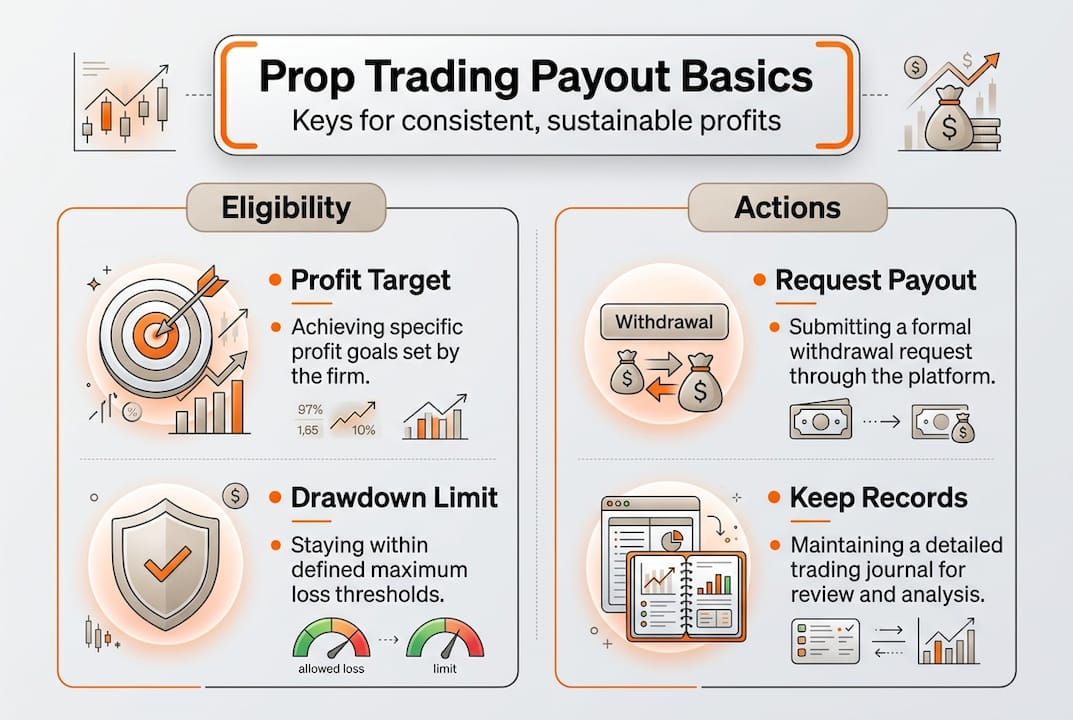
Many traders assume payouts are guaranteed once they hit profit targets. This misconception leads to disappointment when violations or incomplete verification delay payments. Others believe they can withdraw 100% of profits immediately, not realizing firms often require you to maintain a minimum account balance or reserve portion of gains for drawdown protection. Review your specific firm’s payout policy document thoroughly before requesting your first withdrawal.
Preparing to handle your prop trading payouts effectively
Preparation separates traders who build sustainable funded careers from those who lose accounts after their first payout. You need a clear plan for tracking progress, understanding timing, and aligning withdrawals with your overall trading strategy.
Start by maintaining detailed profit milestone logs. Record every trading day’s results, noting when you cross key thresholds that trigger payout eligibility. Use spreadsheets or trading journals to track cumulative profits against your firm’s minimum requirements. This documentation becomes critical if disputes arise about your payout qualification.
Understand your firm’s payout request process completely. Some platforms offer automated withdrawal buttons in your trader dashboard, while others require email requests or form submissions. Know the processing timeline, typically 1-14 business days depending on payment method and firm policies. Identify any documentation requirements like government ID verification, bank account confirmation, or tax forms that might delay your first payout if not prepared in advance.
Managing risk and maintaining discipline are essential to qualify for payouts and scale trading accounts. Your payout strategy must align with your risk management framework. If you’re trading a $50,000 account with a 10% maximum drawdown, withdrawing too aggressively could leave insufficient buffer for normal trading variance. Calculate how much you can safely withdraw while maintaining at least 5-7% cushion below your drawdown limit.
Consider your personal financial needs versus account growth objectives. If you need income immediately, plan smaller, more frequent withdrawals. If you can reinvest profits for faster scaling, structure larger, less frequent payouts after significant milestones. Align this decision with your trading accounts discipline approach to avoid emotional withdrawal decisions during drawdown periods.
Pro Tip: Set a personal rule to maintain at least 20% more buffer than your firm’s minimum drawdown requirement before requesting payouts. This extra cushion protects against unexpected volatility and prevents disqualification from a single bad trading session after withdrawal.
Executing and managing prop trading payouts for sustained success
Once you’ve prepared properly, executing your payout request should be straightforward if you follow systematic steps and avoid common pitfalls that derail funded traders.
Follow this process to request and receive payouts:
- Verify you’ve met all eligibility criteria including minimum profit, trading days, and rule compliance
- Log into your trader dashboard and navigate to the payout or withdrawal section
- Select your preferred payment method (bank transfer, cryptocurrency, payment processor)
- Enter the exact withdrawal amount, ensuring you maintain required account minimums
- Submit any required verification documents if this is your first payout request
- Confirm the request and note the expected processing timeline
- Monitor your email for confirmation and any follow-up requests from the firm
- Verify funds arrive in your account and match the requested amount minus any stated fees
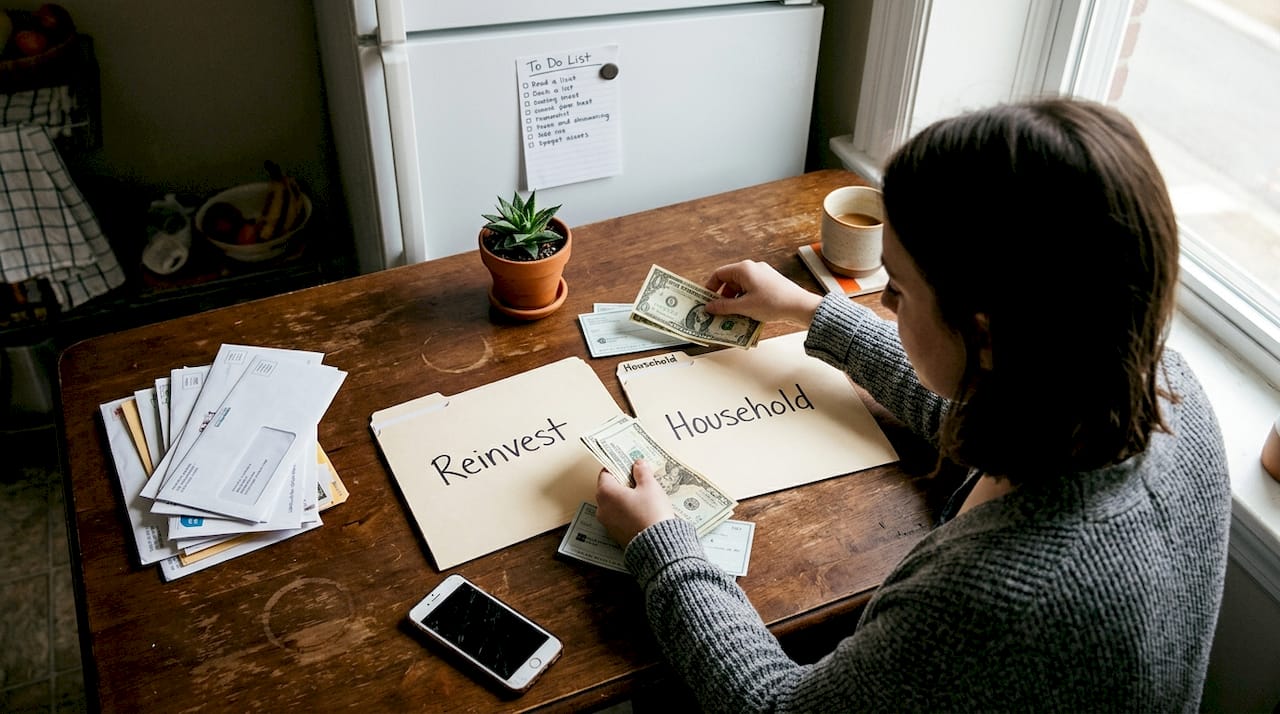
After receiving your payout, smart allocation becomes your most important decision. Allocating payouts between withdrawals, reinvestment, and reserve capital maximizes long-term account growth potential. Successful funded traders typically use a three-bucket approach: personal income, account reinvestment, and emergency reserves.
| Allocation model | Personal withdrawal | Account reinvestment | Emergency reserve | Best for |
|---|---|---|---|---|
| Aggressive growth | 20% | 60% | 20% | Traders with separate income sources seeking rapid scaling |
| Balanced approach | 40% | 40% | 20% | Most funded traders balancing income needs with growth |
| Income focused | 60% | 20% | 20% | Traders relying on prop trading as primary income |
| Conservative safety | 30% | 30% | 40% | New funded traders prioritizing account protection |
Avoid these common payout handling mistakes. Over-withdrawing leaves your account vulnerable to normal drawdowns, potentially triggering violations that cost your funded status. Many traders celebrate their first payout by withdrawing everything, then face a margin call during the next losing streak. Maintain discipline about minimum account balances.
Neglecting prop trading risk tips after receiving payouts is another frequent error. Some traders unconsciously increase position sizes or take more aggressive trades after withdrawals, compensating for reduced account equity. This revenge trading mentality destroys more funded accounts than any other factor. Your risk per trade should remain constant as a percentage of current account balance, not your pre-withdrawal balance.
Failing to document payout timing and amounts creates tax reporting headaches and makes performance analysis difficult. Keep a dedicated spreadsheet logging every withdrawal date, amount, account balance before and after, and any fees charged. This record helps you identify optimal payout frequencies and amounts based on your actual results.
Pro Tip: Set automated calendar reminders every two weeks to review your account performance, payout eligibility, and allocation strategy. Regular check-ins prevent emotional decisions and ensure you’re following your predetermined payout plan rather than reacting to short-term results.
Developing trading habits consistent profits means treating payouts as business decisions, not lottery winnings. Approach each withdrawal with the same analytical mindset you apply to trade entries, considering risk-reward ratios and probability of success.
Verifying your payout handling and refining your trading approach
Receiving your payout isn’t the end of the process. Systematic verification and continuous refinement separate one-time funded traders from those who build lasting prop trading careers.
Maintain comprehensive logs for every payout transaction. Record the request date, approval date, transfer date, gross amount, any fees deducted, and net amount received. Include your account balance immediately before and after the withdrawal. Store copies of all confirmation emails, transaction receipts, and bank statements showing the deposit. This documentation serves multiple purposes: tax reporting, dispute resolution if payment issues arise, and performance analysis to optimize future payout strategies.
Tax obligations vary by jurisdiction, but most countries treat prop trading profits as business income requiring self-employment tax payments. Consult with a tax professional familiar with trading income to understand your reporting requirements. Proper documentation from the start prevents scrambling during tax season and ensures you can substantiate all income and deduction claims.
Evaluate whether your payout amounts align with your trading goals and risk tolerance. If you’re consistently hitting profit targets but withdrawing too conservatively, you might be leaving money on the table that could fund personal expenses or other investments. Conversely, if you’re struggling to maintain account balances after payouts, you’re likely withdrawing too aggressively for your current performance level.
Regular review of payout patterns and trading discipline improves funded trading longevity and profitability. Analyze your payout history quarterly to identify trends. Are you requesting withdrawals more frequently during winning streaks? Do payouts correlate with subsequent performance declines? Understanding these patterns helps you adjust timing and amounts to support rather than sabotage your trading.
Signs you should revise your payout handling strategy:
- Frequent drawdown violations within 30 days after withdrawals indicate over-allocation
- Declining win rates or increasing average loss sizes following payouts suggest psychological compensation
- Accumulating large account balances without withdrawals may indicate fear of reducing trading capital
- Irregular payout timing without strategic reasoning points to emotional rather than systematic decisions
- Difficulty meeting basic expenses despite profitable trading means insufficient personal allocation
- Missing account scaling opportunities due to conservative withdrawals limits growth potential
Adjust your trading plan based on payout feedback. If you notice performance deterioration after withdrawals, implement a mandatory rest period or reduce position sizes for the first week following payouts. If you’re consistently building excess capital, increase your personal withdrawal percentage to improve quality of life without sacrificing account safety.
Some traders benefit from automating their payout strategy with predetermined rules. For example, withdraw 40% of profits every time your account grows by $5,000, maintaining a minimum $3,000 buffer above drawdown limits. This removes emotional decision making and ensures consistent execution regardless of market conditions or personal circumstances.
Your payout handling approach should evolve as your trading skill and account size grow. New funded traders often need more conservative withdrawal strategies while they prove consistency. Experienced traders with multiple funded accounts can allocate more aggressively, knowing they have backup capital sources. Regularly reassess your strategy every quarter or after significant account milestones.
Achieve funding success with DayProp’s expert resources
Handling prop trading payouts effectively requires understanding firm structures, systematic preparation, disciplined execution, and continuous refinement. DayProp provides comprehensive resources to help you master every aspect of funded trading, from passing initial evaluations to scaling multiple accounts sustainably.
Our performance-based trading evaluation guide walks you through proven strategies for demonstrating consistency and risk management that prop firms reward. You’ll discover detailed frameworks for position sizing, drawdown protection, and profit target achievement that translate directly into payout eligibility.
Explore our trading evaluation guide secure prop funding resources covering payout processes, allocation strategies, and common mistakes to avoid. These step-by-step guides help you navigate firm-specific requirements while building habits that support long-term funded trading success. Visit DayProp to access expert support and accelerate your journey from evaluation to consistent payouts.
FAQ
How do proprietary trading payouts typically work?
Most prop firms split profits between you and the firm based on predetermined percentages, typically 70-90% to the trader. Payouts require meeting minimum profit thresholds, maintaining rule compliance, and completing verification processes. Payment frequency varies from weekly to monthly depending on firm policies and your account tier.
What are the best practices for managing my payout withdrawals?
Balance personal withdrawals with account reinvestment to sustain growth while meeting income needs. Maintain reserve capital equal to at least 20% more than your firm’s minimum drawdown requirement. Document every transaction for tax purposes and performance analysis.
How can I improve my chances of receiving higher payouts?
Maintain strict risk management by never exceeding daily loss limits or maximum drawdown thresholds. Consistently hit profit targets through disciplined trading rather than aggressive speculation. Follow all firm rules precisely and pass evaluations reliably to qualify for account scaling and increased profit splits.
Are there common mistakes traders make with payouts?
Over-withdrawing without maintaining adequate drawdown buffers frequently causes account violations and funding loss. Many traders unconsciously increase risk after payouts to compensate for reduced capital, leading to performance deterioration. Ignoring payout terms and verification requirements delays payments and can jeopardize funded status.
Recommended